Overview
This dossier contains confidential records for Owen Bell.
Material is provisional, cross-referenced from recovered files, protected records, and field notes.
This dossier contains confidential records for Owen Bell.
Material is provisional, cross-referenced from recovered files, protected records, and field notes.
SUBJECT: Owen Bell
CLASSIFICATION: SECRET // TRANSPORT SECURITY
REFERENCE: CONTROLLED COPY // COT/BRITISH/2035/CTC088
CASE REFERENCE: COT/BRITISH/2035/CTC088
SUBJECT: Owen Bell
CENTRAL RECORD: COT0F021859D126B
RANK / APPOINTMENT: Named fatality of The Black Dawn Protocol
ORGANISATION: Dawn List / protected-person network
DATE OF BIRTH: 2000-03-05
PLACE / NATIONALITY: Unknown, Unknown, British
INTERVIEW STATUS: Witness / account holder
LOCATION: Secure interview suite — location withheld
DATE: 24 October 2035
LEAD AUTHORITY: British Transport Police / SO15 Joint Investigation Team
RECORDING MEDIA: Two sealed digital masters and one independent evidential hash
DISTRIBUTION: Named recipients only. No automated onward distribution.
NOTE: Handling notice. This document contains operational, personal and evidential material. It may be read only by a person with both the required clearance and a recorded need to know. Extraction of images, transcript segments or metadata creates a new controlled copy.
VISUAL ASSET STATUS: Passport image: attached; dossier image frames available: 2; surveillance frames available: 0; identity match: matched by subject/asset map.

This record concerns the unauthorised use of the subject's rail-maintenance identity, work pattern and left-handed signing characteristics to authenticate a movement he did not plan or approve. The scope of this record is confined to the matters set out above and to evidence formally introduced during the session.
The subject completed identity verification but challenged the assumption that a valid administrative record necessarily described the physical event.
INTERVIEWING OFFICER: State your full name for the record.
OWEN BELL: Owen Bell
INTERVIEWING OFFICER: Do you understand the status of this interview and the limits placed on distribution?
OWEN BELL: I understand. My agreement to answer does not waive any objection already entered into the record.
INTERVIEWING OFFICER: Have you been offered the representation, legal advice or staff support applicable to this procedure?
OWEN BELL: Yes. The offer should not be mistaken for my acceptance of your account.
INTERVIEWING OFFICER: Before we turn to the documentary record, explain your involvement in the copied maintenance-planner profile.
OWEN BELL: I am not refusing the question. I am separating what I remember from what I learned afterwards. The missing interval matters more than the wording placed around it afterwards.
INTERVIEWING OFFICER: Before we turn to the documentary record, explain your involvement in the forged or replayed signature.
OWEN BELL: That is broadly how I remember it. I cannot confirm the exact time from memory. The missing interval matters more than the wording placed around it afterwards.
INTERVIEWING OFFICER: Before we turn to the documentary record, explain your involvement in who had access to roster and possession records.
OWEN BELL: The record may be right. I can only tell you what was in front of me. the person who held the contemporaneous log can confirm the sequence, but not necessarily the interpretation.
INTERVIEWING OFFICER: Before we turn to the documentary record, explain your involvement in the difference between the subject's actual work and the movement attributed to him.
OWEN BELL: That is broadly how I remember it. I cannot confirm the exact time from memory. My answer is limited to what I personally saw, heard or ordered.
DOCUMENTARY EXHIBIT D-01 Retained extract: No bell had rung at the London Stock Exchange. Associated persons: Jack — Argus duty officer
INTERVIEWING OFFICER: Do you accept that this extract accurately records an event in which you were involved?
OWEN BELL: I saw what happened. I did not know then what it meant. I will not improve my memory to make the chronology easier.
INTERVIEWING OFFICER: What did you understand at that moment, before later analysis supplied a larger explanation?
OWEN BELL: I saw what happened. I did not know then what it meant. If the original is no longer available, that absence should remain part of your finding.
DOCUMENTARY EXHIBIT D-02 Retained extract: A bell sounded as they entered. Associated persons: Daniel Sykes
INTERVIEWING OFFICER: Do you accept that this extract accurately records an event in which you were involved?
OWEN BELL: That is broadly how I remember it. I cannot confirm the exact time from memory. The missing interval matters more than the wording placed around it afterwards.
INTERVIEWING OFFICER: Who else was physically present and capable of confirming your account without relying on the same electronic record?
OWEN BELL: That is broadly how I remember it. I cannot confirm the exact time from memory. Daniel Sykes can confirm the sequence, but not necessarily the interpretation.
INTERVIEWING OFFICER: Are you saying the official record is wrong?
OWEN BELL: I am saying you should preserve the contradiction instead of choosing the tidier version.
DOCUMENTARY EXHIBIT D-03 Retained extract: Sykes rolled to his right, caught the wall handle and pulled. Associated persons: Daniel Sykes Relevant systems or locations: archive
INTERVIEWING OFFICER: Do you accept that this extract accurately records an event in which you were involved?
OWEN BELL: That is broadly how I remember it. I cannot confirm the exact time from memory. My answer is limited to what I personally saw, heard or ordered.
INTERVIEWING OFFICER: Why was the matter not escalated through the ordinary reporting route?
OWEN BELL: I am not refusing the question. I am separating what I remember from what I learned afterwards. Daniel Sykes can confirm the sequence, but not necessarily the interpretation.
DOCUMENTARY EXHIBIT D-04 Retained extract: The diaphragm separated from the bell with a soft mechanical click. Associated persons: Amir Rahmani, Dr Leonie Murchison
INTERVIEWING OFFICER: Do you accept that this extract accurately records an event in which you were involved?
OWEN BELL: I saw what happened. I did not know then what it meant. Amir Rahmani can confirm the sequence, but not necessarily the interpretation.
INTERVIEWING OFFICER: What part of the retained record is incomplete or misleading?
OWEN BELL: I am not refusing the question. I am separating what I remember from what I learned afterwards. Amir Rahmani can confirm the sequence, but not necessarily the interpretation.
INTERVIEWING OFFICER: Are you saying the official record is wrong?
OWEN BELL: I am saying the record should remain evidence, not become an alibi for the system that produced it.
DOCUMENTARY EXHIBIT D-05 Retained extract: The escort did not ring the bell.
INTERVIEWING OFFICER: Do you accept that this extract accurately records an event in which you were involved?
OWEN BELL: That is broadly how I remember it. I cannot confirm the exact time from memory. I will not improve my memory to make the chronology easier.
INTERVIEWING OFFICER: Which physical record should be examined before this account is treated as settled?
OWEN BELL: I saw what happened. I did not know then what it meant. The missing interval matters more than the wording placed around it afterwards.
DOCUMENTARY EXHIBIT D-06 Retained extract: A bell sounded inside the room.
INTERVIEWING OFFICER: Do you accept that this extract accurately records an event in which you were involved?
OWEN BELL: I am not refusing the question. I am separating what I remember from what I learned afterwards. I will not improve my memory to make the chronology easier.
INTERVIEWING OFFICER: Did anyone instruct you to describe the incident differently afterwards?
OWEN BELL: I saw what happened. I did not know then what it meant. I will not improve my memory to make the chronology easier.
INTERVIEWING OFFICER: Are you saying the official record is wrong?
OWEN BELL: I am saying two honest records can disagree when they were generated from the same compromised source.
DOCUMENTARY EXHIBIT D-07 Retained extract: North London rail maintenance depot – 17:40 GMT Owen Bell entered the restricted signalling room at 17:12 without crossing the yard outside. Associated persons: Daniel Sykes
INTERVIEWING OFFICER: Do you accept that this extract accurately records an event in which you were involved?
OWEN BELL: The record may be right. I can only tell you what was in front of me. My answer is limited to what I personally saw, heard or ordered.
INTERVIEWING OFFICER: What did you understand at that moment, before later analysis supplied a larger explanation?
OWEN BELL: I am not refusing the question. I am separating what I remember from what I learned afterwards. The missing interval matters more than the wording placed around it afterwards.
DOCUMENTARY EXHIBIT D-08 Retained extract: The man who came through wore an orange railway jacket with BELL printed beneath the company crest.
INTERVIEWING OFFICER: Do you accept that this extract accurately records an event in which you were involved?
OWEN BELL: I saw what happened. I did not know then what it meant. My answer is limited to what I personally saw, heard or ordered.
INTERVIEWING OFFICER: Who else was physically present and capable of confirming your account without relying on the same electronic record?
OWEN BELL: That is broadly how I remember it. I cannot confirm the exact time from memory. If the original is no longer available, that absence should remain part of your finding.
INTERVIEWING OFFICER: Are you saying the official record is wrong?
OWEN BELL: I am saying it may be accurate about the event and wrong about the cause.
DOCUMENTARY EXHIBIT D-09 Retained extract: The man who came through wore an orange railway jacket with BELL printed beneath the company crest. Associated persons: Commander Lydia Green
INTERVIEWING OFFICER: Do you accept that this extract accurately records an event in which you were involved?
OWEN BELL: That is broadly how I remember it. I cannot confirm the exact time from memory. I will not improve my memory to make the chronology easier.
INTERVIEWING OFFICER: Why was the matter not escalated through the ordinary reporting route?
OWEN BELL: That is broadly how I remember it. I cannot confirm the exact time from memory. Check the physical record against the unprocessed record before you accept the later label.
DOCUMENTARY EXHIBIT D-10 Retained extract: The system had not found a person who resembled Owen Bell. Relevant systems or locations: identity
INTERVIEWING OFFICER: Do you accept that this extract accurately records an event in which you were involved?
OWEN BELL: That is broadly how I remember it. I cannot confirm the exact time from memory. The missing interval matters more than the wording placed around it afterwards.
INTERVIEWING OFFICER: What part of the retained record is incomplete or misleading?
OWEN BELL: I am not refusing the question. I am separating what I remember from what I learned afterwards. The missing interval matters more than the wording placed around it afterwards.
INTERVIEWING OFFICER: Are you saying the official record is wrong?
OWEN BELL: I am saying you should preserve the contradiction instead of choosing the tidier version.
DOCUMENTARY EXHIBIT D-11 Retained extract: “Right.” Sykes sat back. “That isn’t Owen Bell.” The manager’s patience had survived three departments, two legal cautions and an instruction not to copy the footage. Associated persons: Daniel Sykes
INTERVIEWING OFFICER: Do you accept that this extract accurately records an event in which you were involved?
OWEN BELL: I saw what happened. I did not know then what it meant. My answer is limited to what I personally saw, heard or ordered.
INTERVIEWING OFFICER: Which physical record should be examined before this account is treated as settled?
OWEN BELL: That is broadly how I remember it. I cannot confirm the exact time from memory. The missing interval matters more than the wording placed around it afterwards.
DOCUMENTARY EXHIBIT D-12 Retained extract: That’s why we bother arresting them instead of asking the door who did it.” “You know Bell?” “I took part of his Orpheus statement. Relevant systems or locations: Orpheus
INTERVIEWING OFFICER: Do you accept that this extract accurately records an event in which you were involved?
OWEN BELL: The record may be right. I can only tell you what was in front of me. Check Orpheus against the unprocessed record before you accept the later label.
INTERVIEWING OFFICER: Did anyone instruct you to describe the incident differently afterwards?
OWEN BELL: I saw what happened. I did not know then what it meant. If the original is no longer available, that absence should remain part of your finding.
INTERVIEWING OFFICER: Are you saying the official record is wrong?
OWEN BELL: I am saying the record should remain evidence, not become an alibi for the system that produced it.
DOCUMENTARY EXHIBIT D-13 Retained extract: He was close to Bell’s height, broad enough to wear the jacket without altering it and careful not to look directly at any unfiltered side camera. Associated persons: Daniel Sykes
INTERVIEWING OFFICER: Do you accept that this extract accurately records an event in which you were involved?
OWEN BELL: I saw what happened. I did not know then what it meant. If the original is no longer available, that absence should remain part of your finding.
INTERVIEWING OFFICER: What did you understand at that moment, before later analysis supplied a larger explanation?
OWEN BELL: I am not refusing the question. I am separating what I remember from what I learned afterwards. Check the physical record against the unprocessed record before you accept the later label.
DOCUMENTARY EXHIBIT D-14 Retained extract: This room retains a fallback path in case the main control centre loses access during a major incident.” “And Owen Bell’s job?” “Maintenance planning. Associated persons: Tanner — Argus engineer, Singh — Argus second engineer, Patel — Argus junior engineer
INTERVIEWING OFFICER: Do you accept that this extract accurately records an event in which you were involved?
OWEN BELL: I saw what happened. I did not know then what it meant. The missing interval matters more than the wording placed around it afterwards.
INTERVIEWING OFFICER: Who else was physically present and capable of confirming your account without relying on the same electronic record?
OWEN BELL: I saw what happened. I did not know then what it meant. If the original is no longer available, that absence should remain part of your finding.
INTERVIEWING OFFICER: Are you saying the official record is wrong?
OWEN BELL: I am saying you should preserve the contradiction instead of choosing the tidier version.
DOCUMENTARY EXHIBIT D-15 Retained extract: She knew the time it should have taken him and had waited for the fact rather than asking for reassurance. “Bell’s identity opened a restricted rail room at seventeen twelve. Relevant systems or locations: identity
INTERVIEWING OFFICER: Do you accept that this extract accurately records an event in which you were involved?
OWEN BELL: That is broadly how I remember it. I cannot confirm the exact time from memory. The missing interval matters more than the wording placed around it afterwards.
INTERVIEWING OFFICER: Why was the matter not escalated through the ordinary reporting route?
OWEN BELL: That is broadly how I remember it. I cannot confirm the exact time from memory. the person who held the contemporaneous log can confirm the sequence, but not necessarily the interpretation.
DOCUMENTARY EXHIBIT D-16 Retained extract: Bell plans maintenance.
INTERVIEWING OFFICER: Do you accept that this extract accurately records an event in which you were involved?
OWEN BELL: I am not refusing the question. I am separating what I remember from what I learned afterwards. the person who held the contemporaneous log can confirm the sequence, but not necessarily the interpretation.
INTERVIEWING OFFICER: What part of the retained record is incomplete or misleading?
OWEN BELL: I am not refusing the question. I am separating what I remember from what I learned afterwards. I will not improve my memory to make the chronology easier.
INTERVIEWING OFFICER: Are you saying the official record is wrong?
OWEN BELL: I am saying it may be accurate about the event and wrong about the cause.
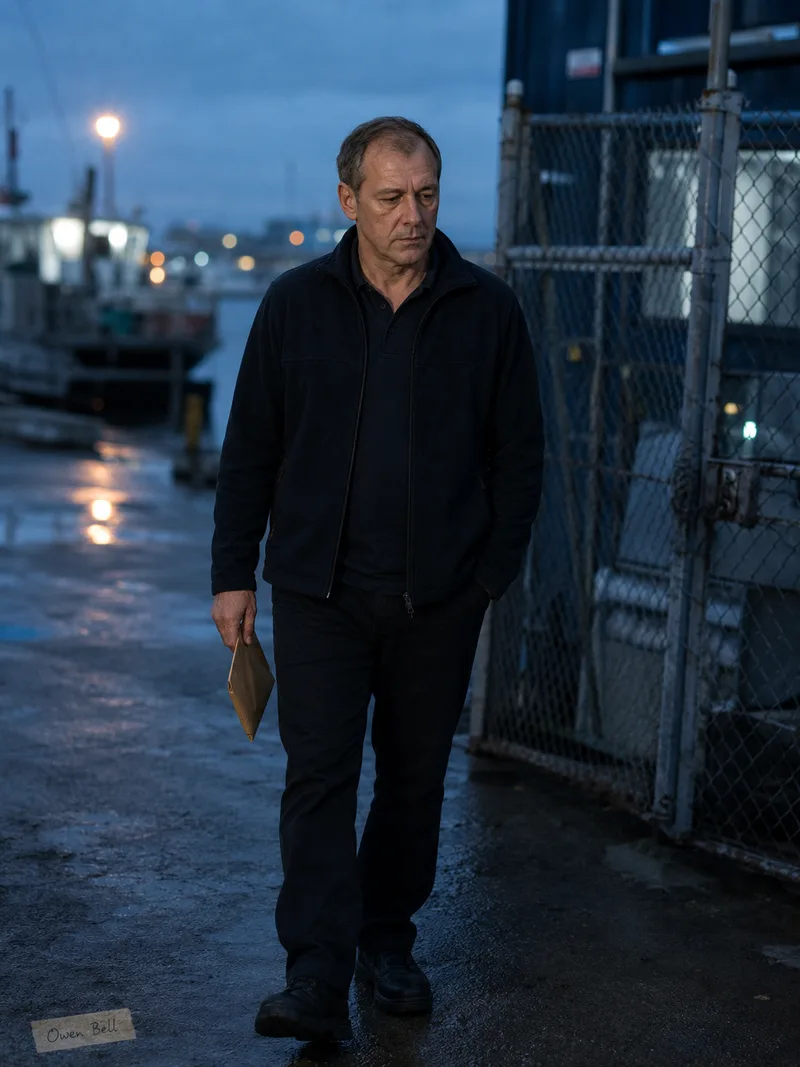
[Exhibit S-01 introduced. Subject permitted to inspect the displayed copy without handling the source medium.]
INTERVIEWING OFFICER: Do you identify the person shown as yourself?
OWEN BELL: I identify myself in the frame. I cannot authenticate the date from the crop alone.
INTERVIEWING OFFICER: Can you establish the location or date from anything visible in the frame?
OWEN BELL: The location is supportable from the surroundings. The purpose you are implying is not.
INTERVIEWING OFFICER: Were you aware that the image was being made?
OWEN BELL: I was not aware of the camera at the time shown.
INTERVIEWING OFFICER: Who had advance knowledge of your presence at that location?
OWEN BELL: That depends on whether the source is an official system, a copied feed or a separate observer.
INTERVIEWING OFFICER: What does this image prove, and what does it not prove?
OWEN BELL: Preserve the frames before and after it. A single image is a fact about light, not a complete account of conduct.
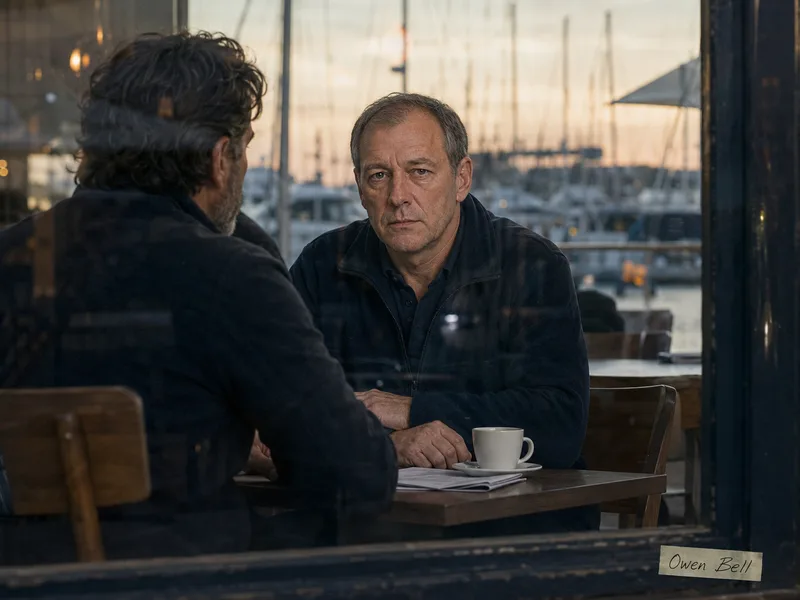
[Exhibit S-02 introduced. Subject permitted to inspect the displayed copy without handling the source medium.]
INTERVIEWING OFFICER: Do you identify the person shown as yourself?
OWEN BELL: I identify myself in the frame. I cannot authenticate the date from the crop alone.
INTERVIEWING OFFICER: Can you establish the location or date from anything visible in the frame?
OWEN BELL: The location is supportable from the surroundings. The purpose you are implying is not.
INTERVIEWING OFFICER: Were you aware that the image was being made?
OWEN BELL: I was not aware of the camera at the time shown.
INTERVIEWING OFFICER: Who had advance knowledge of your presence at that location?
OWEN BELL: That depends on whether the source is an official system, a copied feed or a separate observer.
INTERVIEWING OFFICER: What does this image prove, and what does it not prove?
OWEN BELL: Preserve the frames before and after it. A single image is a fact about light, not a complete account of conduct.
INTERVIEWING OFFICER: Is there any material fact you have withheld because you consider this recording or its distribution unsafe?
OWEN BELL: Yes. The existence of that fact is the most I will place in this copy.
INTERVIEWING OFFICER: What is the single next action this investigation should take?
OWEN BELL: Speak to the people who were physically present before asking another database to explain them.
INTERVIEWING OFFICER: Do you wish to add or correct anything before the recording is suspended?
OWEN BELL: No correction. Only this: an accepted record is not necessarily a true one.
[Recording suspended. Source media sealed. Any resumed session requires a new opening declaration and exhibit schedule.]
The subject's account conflicts with at least one administrative record but not necessarily with the underlying physical evidence. The conflict is an investigative lead, not a concluded finding.
NOTE: Finding limit. Nothing in this record establishes guilt, operational direction or final causation unless expressly stated as a supported finding. A valid credential, image or system entry proves only what that item can independently support.
INTERVIEWING OFFICER — sealed electronic signature held separately
Evidence custodian — receipt and hash recorded
END OF CONTROLLED RECORD — CTC-088