Collision of Tides Reader intelligence network
Get the Book
Covert Reader Briefing / Low Spoiler

Covert Briefing

A reader guide to the evidence language behind the series: AIS, radar, maritime timelines, intelligence pressure, MI5-style institutional secrecy, chain of custody, and the danger of an official story built before the truth has finished surfacing.

Maritime Signals

AIS File

AIS is a public signal, not a full truth machine

Automatic Identification System data helps vessels broadcast identity, position, speed, course, and voyage information. In a thriller, the useful drama is not a technical trick, but the gap between what the signal says, what witnesses saw, and what powerful people need the record to prove.

Open AIS Guide
Radar File

Radar reads presence where AIS can read intention

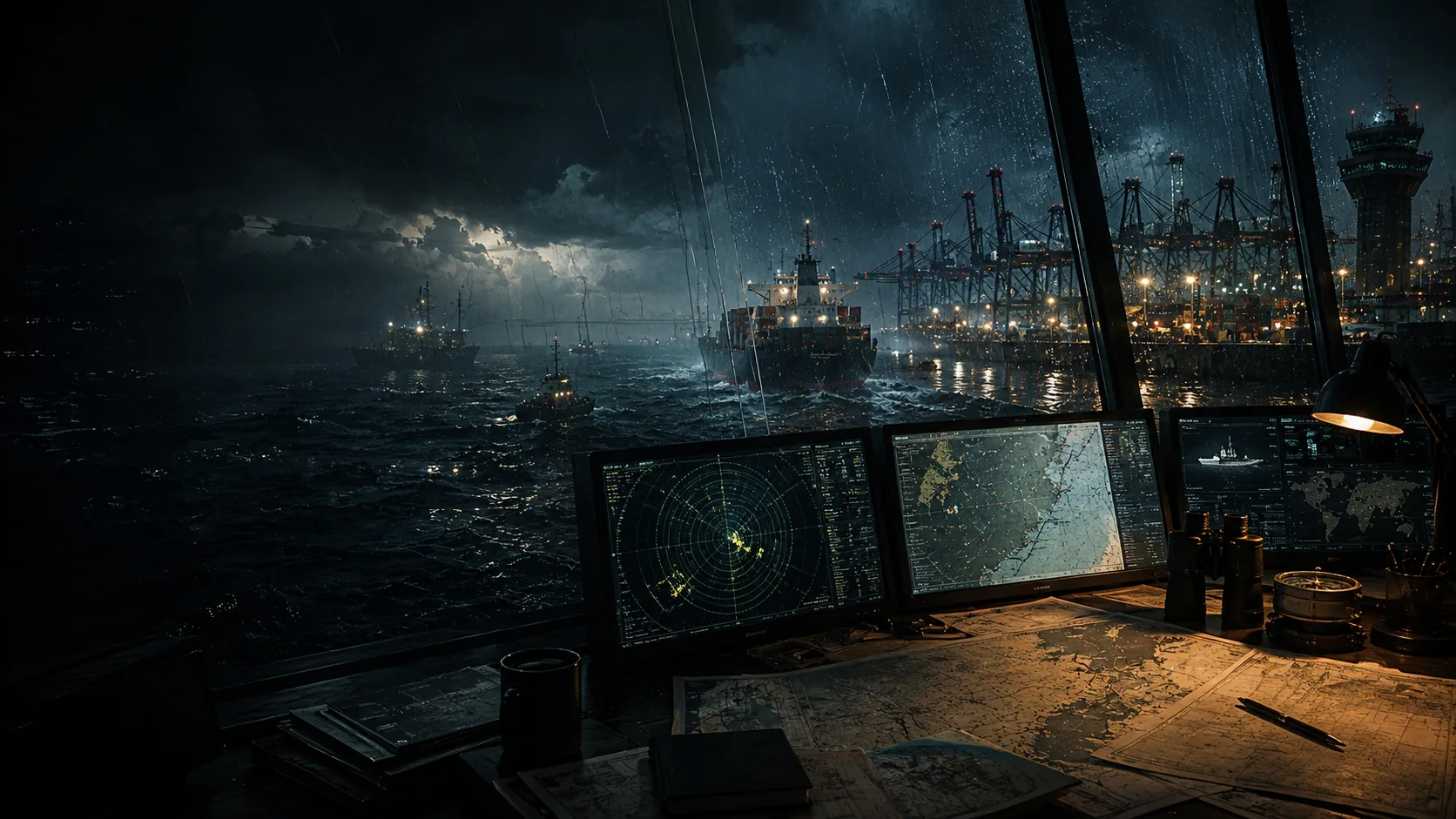
Marine radar gives a different kind of picture: range, bearing, movement, weather clutter, and hard contacts. The Collision of Tides world uses that contrast to create tension between screen evidence, bridge memory, rescue timing, and official certainty.

Track File

The route matters more than a single dot

A suspicious event is rarely proved by one data point. Course changes, missing intervals, port records, satellite context, insurance exposure, and vessel logs become meaningful when the timeline starts to resist the public explanation.

Intelligence Pressure

MI5 Context

Security service pressure works best when it looks procedural

This site treats MI5-style involvement as fiction and reader context: assessment, liaison, risk management, protected sources, lawful process, political pressure, and the habit of writing uncertainty in language that can survive scrutiny.

Analysis File

Analysts do not just collect facts - they grade confidence

The compelling intelligence question is not whether a document exists. It is who produced it, what they could know, what they could be hiding, who benefits from the interpretation, and how quickly doubt is converted into an official line.

Liaison File

The dangerous zone sits between agencies

Police, civil servants, shipping investigators, private security, insurers, lawyers, ministers, and foreign contacts can all touch the same event. That creates the ideal thriller pressure point: no one owns the whole truth, but everyone can distort part of it.

Evidence And Cover Story

Custody File

Evidence has a life before the public sees it

Images, logs, witness notes, recovered devices, interviews, and vessel records all need a chain of custody. In the books, damage to that chain can be as explosive as the original incident because it shows who had access before the story hardened.

Narrative File

An official story can be built too quickly

The series keeps returning to the same danger: institutions under pressure may prefer a clean explanation before the evidence is ready. Speed becomes persuasion. Repetition becomes credibility. The people with doubts become liabilities.

Reader File

This is context, not operational instruction

The briefing pages are written for adult thriller readers who want richer context around maritime evidence, intelligence pressure, and political containment. They are not security, legal, navigation, surveillance, or emergency advice.

Reader Questions

AIS, Radar, MI5 And The Thriller Promise

These answers connect maritime evidence, intelligence pressure, and political consequence to the fictional Collision of Tides case files.

Is AIS the same as radar?

No. AIS is a broadcast data system. Radar is a sensor picture. The interesting story space is where they disagree, where one source is missing, or where the interpretation arrives too neatly.

Why mention MI5 on a fiction site?

Because the books sit in British political and espionage thriller territory, where domestic security pressure, liaison, secrecy, and institutional risk shape the investigation.

Why does chain of custody matter?

Because evidence only has power if the reader trusts where it came from, who handled it, and whether it was altered, delayed, reframed, or quietly buried before it reached the public record.

Where should readers go next?

Use the Global Power Files for the wider conspiracy frame, the Intel Archive for identity records, Secure Comms for contact, and the book pages for the main story route.

Deep Briefing Files

Cinematic Collision of Tides briefing background for Maritime
11 topics

Maritime

Shipping, navigation, ports, weather, rescue, cargo, and subsea context behind the Collision of Tides world.

280 subtopics, 1829 published briefings

Open Section
Cinematic Collision of Tides briefing background for Aviation & Transport
3 topics

Aviation & Transport

Aircraft, rail, road, and operational movement briefings for scenes where timing, access, and control matter.

37 subtopics, 233 published briefings

Open Section
Cinematic Collision of Tides briefing background for Intelligence & Security
4 topics

Intelligence & Security

Intelligence pressure, surveillance, counter-terror response, and tactical risk across the world of the series.

68 subtopics, 445 published briefings

Open Section
Cinematic Collision of Tides briefing background for Government, Law & Politics
4 topics

Government, Law & Politics

Whitehall, courts, policing, and international cooperation files for the institutional pressure behind the story.

72 subtopics, 482 published briefings

Open Section
Cinematic Collision of Tides briefing background for Digital, Evidence & Identity
4 topics

Digital, Evidence & Identity

Cyber, forensic, identity, and chain-of-custody briefings for the evidence trail that makes or breaks a case.

117 subtopics, 811 published briefings

Open Section
Cinematic Collision of Tides briefing background for Borders, Crime & Infrastructure
3 topics

Borders, Crime & Infrastructure

Border control, customs, financial pressure, contractors, energy, and industrial infrastructure context.

39 subtopics, 245 published briefings

Open Section
Cinematic Collision of Tides briefing background for Emergency & Hazard Response
3 topics

Emergency & Hazard Response

Emergency medicine, CBRN, firefighting, hazardous materials, and public-safety response briefings.

52 subtopics, 306 published briefings

Open Section
Next File Route

Follow the pressure through the site

The Covert Briefing is the context layer. The main story still lives in the books, while the site files let readers inspect characters, passports, power networks, public communications, and the official version that begins to crack.