Quick Answer
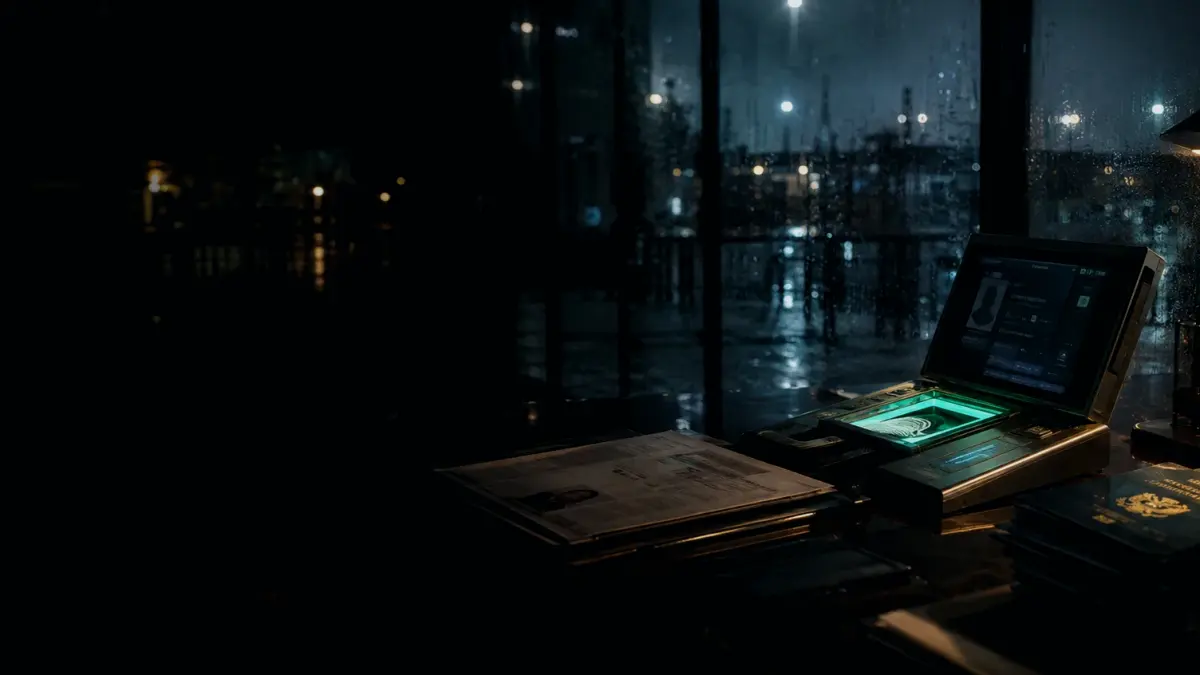
A Border Watchlist Check is a routine screening carried out by UK Border Force, Customs and Immigration officers. It compares a traveller’s identity details against a national and international database of individuals who are considered a risk to national security, public safety or immigration compliance. If a match is found, the officer may detain the person for further questioning, deny entry or refer the case to a higher authority.
Why the Topic Matters
Border Watchlist Checks sit at the intersection of security, law and civil liberty. They are the first line of defence against the movement of weapons, extremist ideology and illicit goods. At the same time, they can flag innocent travellers, leading to delays, embarrassment and, in rare cases, wrongful detention. Understanding how these checks work helps readers appreciate the delicate balance that governments must maintain between protecting the public and upholding individual rights.
Public Contexts and Everyday Examples
- Airport arrivals – When a passenger disembarks, a Border Force officer may run a quick check against the watchlist before handing over the passport.
- Sea‑port inspections – Crew members of commercial vessels are screened when they disembark in UK ports.
- Border crossings – At land borders, officers use handheld devices to query the watchlist database in real time.
- Online visa applications – Applicants’ details are cross‑referenced with watchlist data before a visa is granted.
In each case the process is automated, but the final decision rests with a trained officer who considers context, behaviour and supporting evidence.
Connection to The Collision of Tides
For readers of The Collision of Tides, the theme of a watchlist is a recurring motif. The series often portrays the tension between state secrecy and personal freedom, the pressure on officials to act swiftly, and the moral cost of a system that can turn a harmless traveller into a suspect overnight. The watchlist mechanism mirrors the novel’s own narrative devices – a hidden list of names, a ticking clock, and the danger that a single misstep can trigger a cascade of political fallout.
Stakes, Tension and Story Implications
When a border check flags a name, the consequences ripple through multiple layers:
- Operational delay – A detained traveller may be held for hours, disrupting shipping schedules or diplomatic missions.
- Political pressure – Governments may feel compelled to act decisively to satisfy public demand for safety, risking overreach.
- Evidence chain – The data that triggered the flag becomes part of a dossier that can be used in court or intelligence briefings.
- Human cost – Families may be separated, careers derailed, and reputations tarnished, often before any formal investigation.
These stakes create a fertile ground for espionage narratives: a covert operative might deliberately trigger a watchlist flag to divert attention, or an insider could manipulate the database to protect a target. The tension between the need for security and the right to privacy is a core driver of the series’ intrigue.
Common Misconceptions and Reader Questions
Many people assume that a watchlist check is a simple “yes/no” test. In reality, it is a complex decision that incorporates biometric data, travel history, and intelligence reports. Others think that a flag automatically means arrest; however, most cases result in a brief interrogation and a decision to allow entry or to refer the case for further review. Finally, some believe that the system is infallible, but errors do occur, leading to wrongful detentions that can have lasting repercussions.
FAQ
What information is used in a Border Watchlist Check?
Officers compare a traveller’s name, date of birth, passport number and sometimes biometric data against a national database that aggregates information from security, immigration and law‑enforcement sources. The system is designed to flag potential risks while minimising false positives.
How long does a watchlist check take?
In most cases the check is completed within seconds, as the database is queried automatically by the officer’s handheld device or terminal. If a match is found, the officer may need additional time to conduct a brief interview.
What happens if a traveller is flagged?
The officer will usually detain the individual for a short period, conduct a questioning session and then decide whether to allow entry, deny it or refer the case to a higher authority such as the UK Security Service or the Home Office.
Can a person appeal a decision made after a watchlist flag?
Yes. Individuals who are denied entry or detained can request a review of the decision. They may also seek legal redress if they believe the flag was based on incorrect or outdated information.
Is the watchlist data shared with other countries?
Information is exchanged with international partners under established agreements, such as the European Union’s watchlist system or the Global Entry programme. This cooperation aims to enhance security while respecting data protection laws.