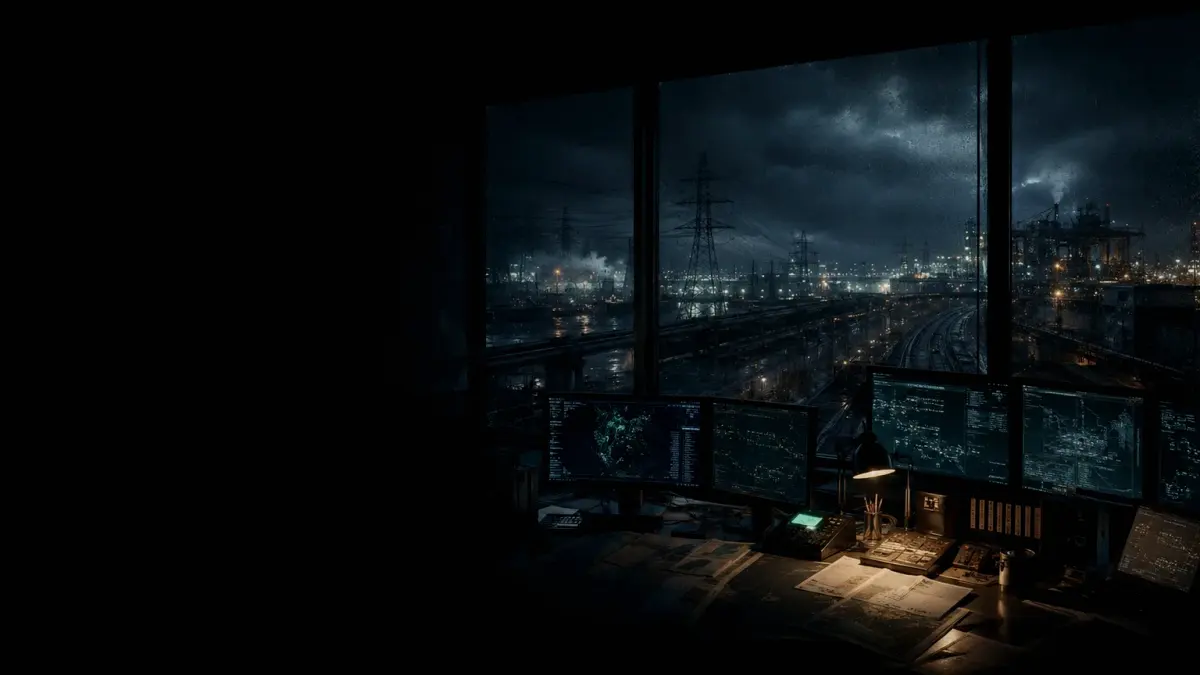
An oil pipeline is an integrated transport system that moves crude oil or refined products between facilities. It links collection, storage, processing and market facilities through the movement of petroleum. Line pipe carries the product along part of that connection, while related equipment controls, measures and supports its movement and storage. Line pipe is one part of that connected transport system.
A petroleum pipeline system can include line pipe, liquid pump stations, valves, control rooms, metering, tanks and storage facilities. These elements contribute different functions within one network: pumping supports movement, valves and control rooms support control, metering measures flow, and tanks or storage facilities hold product. Together they allow petroleum to be moved and managed between the facilities connected by the system.
How facilities and equipment form one system
Collection, processing, storage and market sites are facilities joined by the movement of petroleum. Line pipe and the associated equipment form the transport infrastructure connecting them. Storage can be both a stage in that movement and part of the physical system through its tanks or facilities. An oil pipeline can therefore extend across several kinds of facility and equipment while performing one integrated transport function.
Safety across the pipeline lifecycle
PHMSA addresses pipeline design, construction, testing, operation, maintenance and emergency response as separate parts of the safety lifecycle. Design and construction concern the system being created; testing checks it; operation and maintenance continue while it is in service; and emergency response prepares for disrupted conditions. Monitoring forms part of operating the connected system, using its control and measurement functions to follow conditions as petroleum moves.
Each lifecycle responsibility applies to the transport system as a whole. Testing is relevant to the constructed system, while monitoring and maintenance address its continuing condition in service. Emergency response remains a distinct responsibility for events outside normal operation. Keeping those responsibilities attached to the pipe, pumps, valves, metering, control rooms and storage prevents attention to one component from becoming the entire safety picture.