Quick Answer
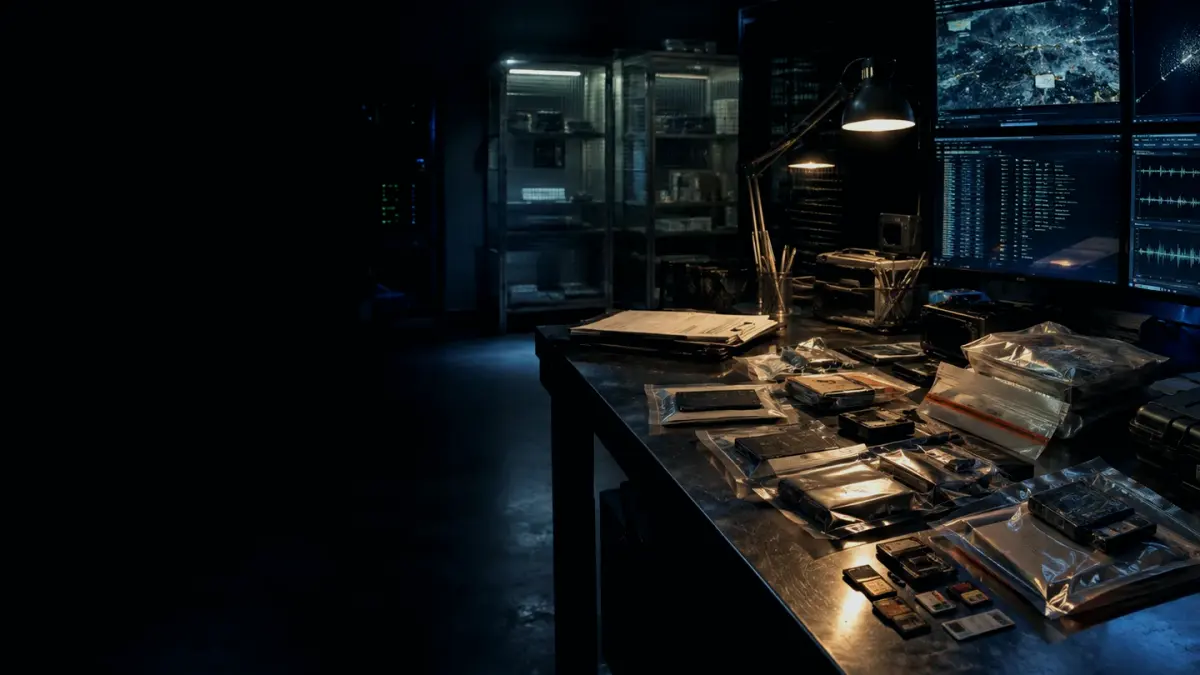
A forensic image is a perfect, bit‑by‑bit copy of a storage device—whether a hard drive, SSD, USB stick or memory card—taken in a way that preserves every piece of data, visible or hidden, including deleted files and artefacts that may be crucial in an investigation.
What Is a Forensic Image?
In digital forensics, an image is created by reading the raw data from a storage medium and writing it to a separate file or disk. The process is performed with specialised tools that honour the integrity of the source: a write‑blocker prevents any accidental modification, and cryptographic hash values (SHA‑256, MD5) are calculated to prove that the copy is an exact replica. The resulting forensic image contains:
- All sectors of the original device, even those that are normally invisible to the operating system.
- Deleted or overwritten files that may still reside in unallocated space.
- Metadata, timestamps, and artefacts that can reveal user activity.
- System logs, registry entries and other forensic artefacts.
Because the image is a faithful copy, investigators can analyse it repeatedly without risking contamination of the original evidence.
Why Forensic Images Matter
Digital evidence is increasingly central to legal, regulatory and political disputes. A forensic image provides a single, defensible source from which all subsequent analysis is derived. Its importance lies in three pillars:
- Integrity – The hash values act as a tamper‑evidence seal, ensuring that any alteration to the image is immediately detectable.
- Reproducibility – Analysts can work on copies of the image, allowing multiple experts to verify findings independently.
- Preservation – The original device is left untouched, safeguarding it for future re‑analysis as techniques evolve.
Forensic Images in Public Contexts
While the term “forensic” evokes law‑enforcement labs, the practice is widespread across sectors:
- Criminal investigations – Police and prosecutors rely on forensic images to build admissible evidence in court.
- Civil litigation – Corporate disputes, intellectual‑property cases and employment matters often involve data recovered from forensic images.
- Cyber‑security incidents – Incident‑response teams analyse images to trace breaches, identify malware and understand the scope of compromise.
- Data‑recovery services – Specialists use imaging to recover lost files from damaged drives, ensuring that the recovery process does not overwrite remaining data.
Connection to The Collision of Tides
For Collision of Tides readers, the concept of a forensic image resonates with the series’ recurring themes of secrecy, pressure and the moral cost of evidence. In a world where political decisions hinge on the availability of hard facts, a single forensic image can be the fulcrum that tips the balance between accountability and cover‑up. The tension between the need for truth and the desire to conceal truth is a narrative thread that runs through the series, and the forensic image is a symbolic representation of that struggle.
Stakes, Tension and Story Implications
When a key piece of evidence is locked inside a hard drive, the stakes are high. A forensic image can:
- Expose hidden communications that implicate high‑ranking officials.
- Reveal the chain of custody for a shipment that may be linked to illicit activity.
- Provide a timestamp that contradicts an official narrative.
The race to obtain, analyse and protect such an image creates a palpable sense of urgency. The potential for political fallout, personal danger and ethical dilemmas adds layers of tension that mirror the high‑stakes environment of espionage and maritime risk portrayed in the series.
Common Misconceptions
- “A forensic image is the same as a backup.” – A backup is typically a selective copy of files, whereas a forensic image captures every sector, including hidden and deleted data.
- “Once an image is made, it is perfect and unchangeable.” – While the image is a faithful copy, the process must be carefully documented; any deviation can compromise the chain of custody.
- “Forensic imaging is only for computers.” – The technique applies to any digital storage, from mobile phones to embedded systems in maritime vessels.
- “All forensic images are legal.” – The legality depends on jurisdiction, consent, and the context in which the device was seized.
- “A forensic image can be used as evidence without further analysis.” – The image is a source; the analysis that follows is what produces admissible findings.
FAQ
What does a forensic image include?
A forensic image contains every sector of the original storage device, including visible files, deleted data, unallocated space, system logs, metadata and any artefacts that may be relevant to an investigation.
How is a forensic image created?
Specialised software reads the raw data from the device while a write‑blocker prevents any modification. The data is written to a separate file or disk, and cryptographic hash values are calculated to verify integrity.
Why is a forensic image important for evidence?
It provides a single, tamper‑evident source that can be analysed repeatedly, ensuring that findings are reproducible and that the original evidence remains untouched for future review.
Can a forensic image be altered after it is created?
Any alteration would change the hash values, signalling tampering. Therefore, forensic images are treated as immutable evidence, and any changes are meticulously documented.
What are the legal implications of creating a forensic image?
Legal admissibility depends on proper chain‑of‑custody documentation, adherence to jurisdictional rules, and, where applicable, lawful seizure or consent. Proper procedures help ensure that the image can be presented in court or regulatory proceedings.