Quick Answer
An evidence seal is a tamper‑evident closure applied to a container or bag that holds forensic material. It is designed to show whether the contents have been opened or altered, thereby preserving the chain of custody from the moment evidence is collected until it is presented in court.
Why the Topic Matters
In any investigation, the integrity of evidence is the linchpin that holds the case together. A single breach in the chain of custody can lead to a verdict being overturned, a suspect being acquitted, or a victim’s story being dismissed. For readers of political and espionage thrillers, the idea that a sealed envelope could be opened, resealed, or tampered with without detection adds a layer of tension that mirrors real‑world legal battles.
Evidence Seals in Public, Non‑Operational Contexts
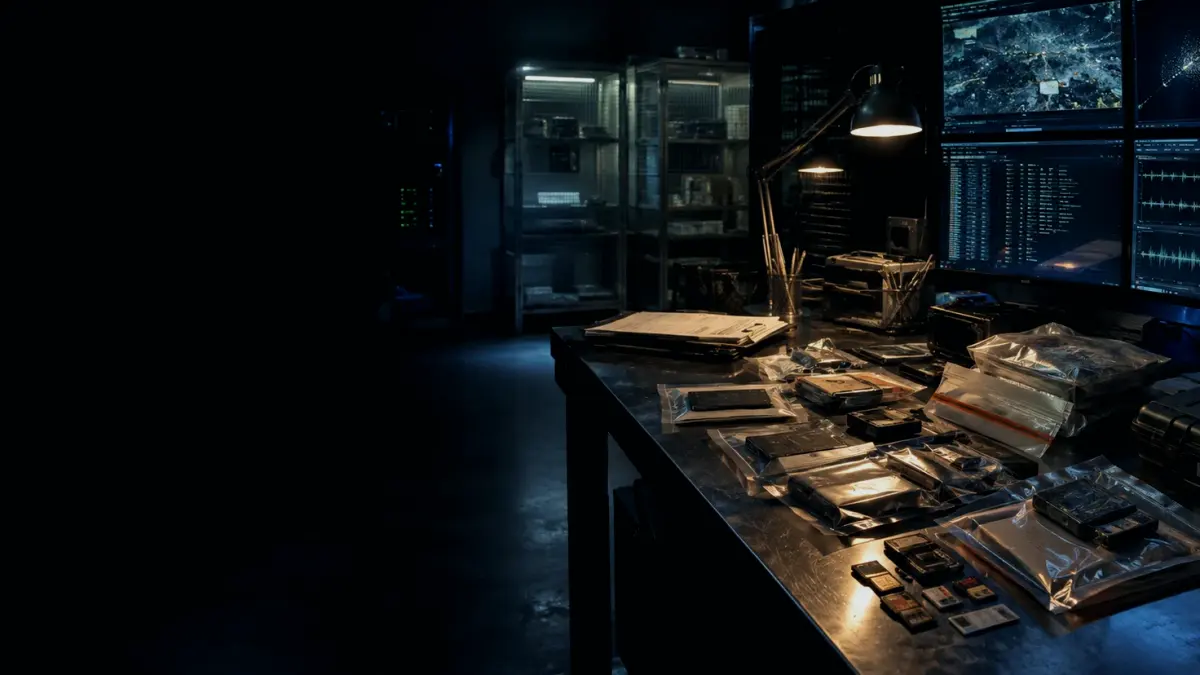
Evidence seals are ubiquitous in law‑enforcement and forensic laboratories. When a crime scene is secured, officers place a sealed bag over the collected items, affixing a unique identifier and a timestamp. The seal is then photographed and logged. In court, the seal is inspected before the evidence is handed to the judge or jury. The same principle applies to civil disputes, insurance claims, and even environmental investigations where samples must remain uncontaminated.
In the maritime domain, a sealed container might hold a seized cargo suspected of contraband. The seal ensures that the cargo’s contents have not been altered during transport to a customs facility. While the seal itself is not a maritime technology, its role in safeguarding evidence is critical when shipping incidents involve legal or regulatory scrutiny.
Connection to The Collision of Tides
For Collision of Tides readers, the concept of an evidence seal resonates with the series’ themes of secrecy, pressure, and the moral cost of secrecy. The narrative often revolves around the delicate balance between protecting national interests and upholding the rule of law. An evidence seal, in this context, becomes a symbol of that balance: a physical barrier that must remain intact to preserve truth, yet one that can be compromised by political pressure or covert interference.
When a sealed piece of evidence is found to be tampered with, it raises questions about who had the motive and the means to do so. In a thriller setting, such a breach can trigger a chain of events that forces investigators to confront hidden agendas, powerful allies, and the ethical limits of their own organisations.
Stakes, Tension, and Story Implications
The stakes of an evidence seal are high. A single broken seal can invalidate an entire case, leading to a miscarriage of justice. In a political thriller, the stakes are amplified: a sealed dossier containing classified information could be the key to exposing a covert operation, but if the seal is compromised, the information could be leaked, causing diplomatic fallout or even war.
Tension arises when characters must decide whether to trust the seal, to re‑seal evidence, or to risk the legal consequences of tampering. The moral dilemma—whether to preserve the integrity of the evidence or to manipulate it for a perceived greater good—creates a compelling narrative arc that keeps readers on edge.
Common Misconceptions and Reader Questions
Many people assume that a sealed bag is foolproof. In reality, seals can be opened and resealed with specialised tools, or they can be replaced entirely. The key to a reliable seal is the documentation that accompanies it: a chain of custody log, photographs, and unique identifiers. Without these records, even a perfect seal can be rendered meaningless.
Another misconception is that evidence seals are only used in criminal investigations. In fact, they are equally important in civil litigation, environmental monitoring, and any situation where the provenance of a sample must be verified.
FAQ
What is the difference between an evidence seal and a tamper‑evident seal?
Both terms refer to closures that show if a container has been opened. An evidence seal is specifically used in forensic contexts to preserve the chain of custody, while a tamper‑evident seal can be used in a wider range of applications, such as product packaging or secure storage.
Can an evidence seal be opened and resealed without detection?
In theory, a skilled individual could open a seal and reseal it using specialised tools. However, the process would leave physical evidence—such as scratches or a different seal pattern—if the seal is inspected carefully. Proper documentation and photographic evidence help detect such tampering.
How is an evidence seal documented?
When evidence is collected, the seal is photographed, and a unique identifier (often a serial number or barcode) is recorded in a chain‑of‑custody log. The log notes the date, time, and name of the person who sealed the evidence, as well as any subsequent handlers.
What happens if an evidence seal is found broken during a trial?
A broken seal can lead to the evidence being excluded from the trial, as it raises doubts about its integrity. The court may require additional verification, such as expert testimony, to determine whether the evidence remains reliable.
Are evidence seals used in maritime investigations?
Yes. When a seized cargo or a suspicious sample is transported to a customs or forensic facility, a seal is applied to ensure that the contents have not been altered during transit. The seal is then inspected before the evidence is examined.