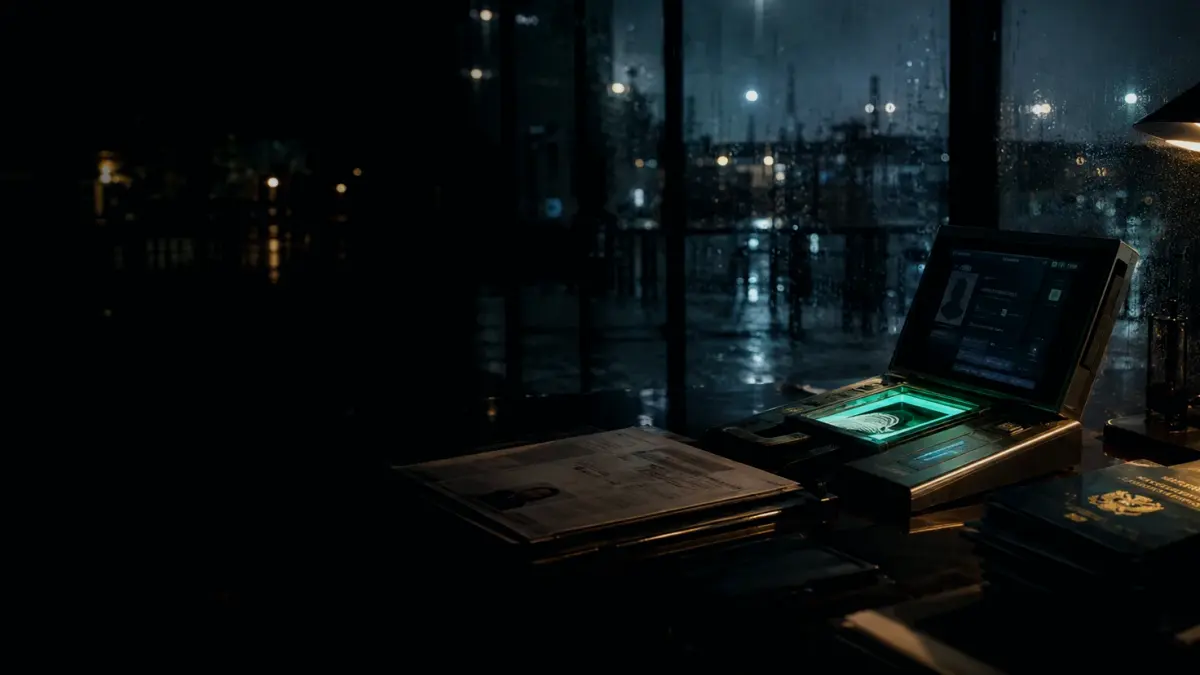
Quick Answer
A forged passport is a document that has been altered or fabricated to misrepresent the holder’s identity, nationality or travel status. It may be created by copying an existing passport, using a counterfeit template, or by modifying details on a genuine passport. The purpose is usually to gain access to restricted areas, evade law enforcement, or conceal illicit activities.
Why the Topic Matters
Passports are the world’s most recognised proof of identity and citizenship. They grant the bearer the right to cross borders, access diplomatic facilities, and enjoy the protections of their home country. When a passport is forged, the very fabric of international trust is undermined. Governments rely on the integrity of these documents to enforce immigration controls, counter terrorism, and maintain diplomatic relations. A single forged passport can open the door to a cascade of security breaches, from smuggling to espionage.
Public Contexts
In everyday life, forged passports appear in a handful of high‑profile situations:
- Border Control – Customs officers routinely screen documents for signs of tampering, such as mismatched fonts, watermarks, or altered photographs.
- Legal Proceedings – Courts may be asked to verify the authenticity of a passport presented as evidence, especially in cases involving identity fraud or immigration disputes.
- Media Coverage – High‑profile arrests of individuals attempting to enter a country on a forged passport often make headlines, raising public awareness of the issue.
- Travel Industry – Airlines and travel agents are trained to spot irregularities in travel documents to prevent fraudulent boarding.
Connection to The Collision of Tides
For readers of The Collision of Tides, the theme of a forged passport resonates on several levels. The series explores how secrecy, pressure, and the pursuit of evidence can erode moral clarity. A forged passport is a literal symbol of that erosion: a document that pretends to be legitimate while hiding a hidden agenda. The tension created by a forged passport—whether it is used to infiltrate a diplomatic mission, smuggle contraband across a busy port, or conceal a political exile—mirrors the series’ broader concerns about the human cost of secrecy and the fragile nature of trust in international affairs.
Stakes, Tension, and Story Implications
When a forged passport is introduced into a narrative, it instantly raises the stakes:
- Identity Crisis – The holder’s true identity is obscured, creating uncertainty for allies and enemies alike.
- Legal Consequences – Discovery can lead to arrest, extradition, or diplomatic fallout.
- Operational Risk – Intelligence assets relying on forged documents may be exposed, jeopardising entire missions.
- Public Perception – A scandal involving a forged passport can erode confidence in institutions, fueling political unrest.
These elements combine to generate a high‑intensity atmosphere, where every decision carries weight and the margin for error is razor‑thin. The moral ambiguity of using a forged passport—whether for noble ends or self‑interest—adds depth to the narrative, challenging readers to consider the cost of deception in pursuit of a greater good.
Common Misconceptions
Readers often hold a few misunderstandings about forged passports:
- “All forged passports look the same.” In reality, forgers use a range of techniques, from simple photocopying to sophisticated printing that mimics official security features.
- “A forged passport is always illegal.” While the creation and use of a forged passport is unlawful, some individuals may obtain them through corrupt officials or black‑market channels, complicating the legal landscape.
- “If a passport is forged, the holder is automatically a criminal.” The holder’s intent matters; some may be coerced or unaware of the forgery.
- “Passport fraud is rare.” In practice, passport fraud is a persistent challenge for border agencies worldwide, especially in regions with high migration flows.
FAQ
What are the most common signs that a passport has been forged?
Typical indicators include mismatched fonts, inconsistent colour schemes, missing or duplicated security features such as watermarks or holograms, and photographs that appear out of date or altered. Border officials also look for irregularities in the data page layout and the presence of tampering marks.
Can a forged passport be used to gain entry into a country?
While some forgers produce documents that appear authentic enough to pass initial checks, most modern border controls employ advanced verification tools—such as biometric scanners and database cross‑checks—that can detect forged passports before entry is granted. However, in less secure environments or where oversight is weak, a forged passport may still be accepted.
What legal penalties exist for creating or using a forged passport?
Penalties vary by jurisdiction but typically include fines, imprisonment, and, in severe cases, charges of fraud, identity theft, or terrorism financing. The exact punishment depends on the intent, the value of the forged document, and whether it was used to facilitate other crimes.
How do authorities verify the authenticity of a passport?
Verification involves a combination of visual inspection, comparison with official templates, and electronic checks against national and international databases. Many countries now use biometric data—such as fingerprints or facial recognition—to confirm that the holder matches the passport’s photo.
Is it possible for a passport to be forged without the holder’s knowledge?
Yes. In some cases, passports are forged by corrupt officials or black‑market operators who sell documents to unsuspecting individuals. These holders may later discover that the passport they possess is not genuine, potentially exposing them to legal and security risks.