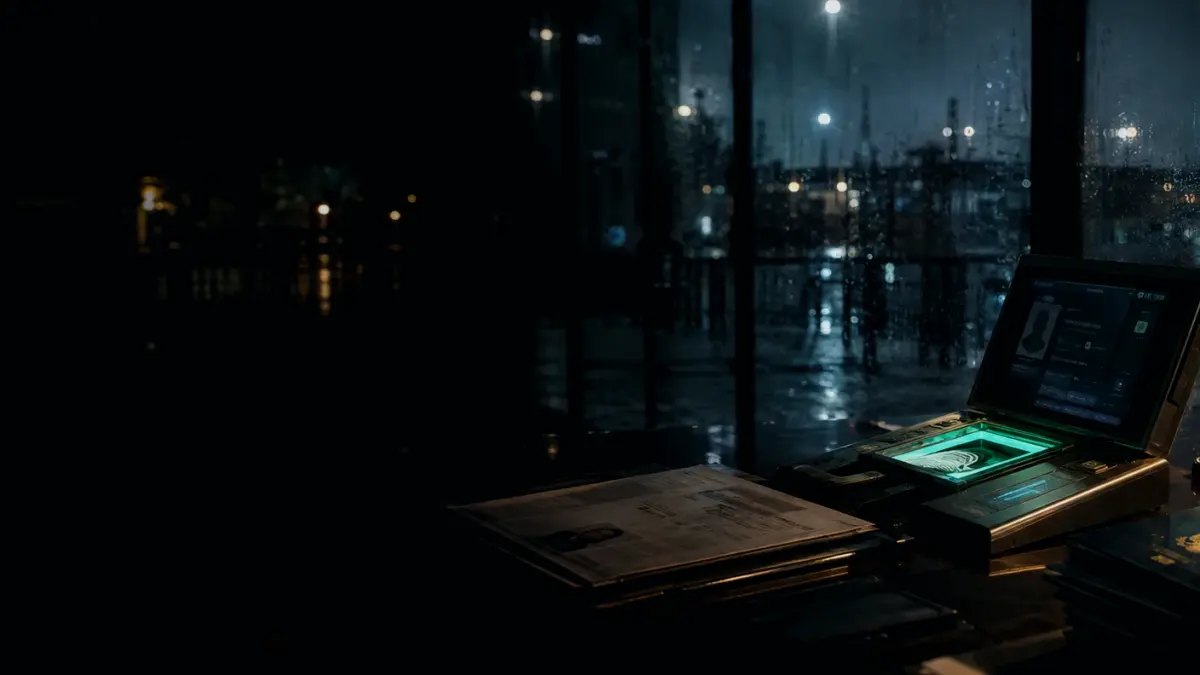
What Is a Passport Chip?
Quick answer: A passport chip is a small, embedded micro‑chip that stores biometric and identity data in a secure, tamper‑resistant format. It is read by authorised readers at border controls and other official points to verify the holder’s identity and authenticity of the document.
Why the Topic Matters
In an age where identity can be forged with a few lines of code, the passport chip represents the frontline of personal security. It is the first line of defence against identity fraud, a tool that governments rely on to maintain the integrity of international travel, and a key element in the global system of trust that keeps borders functioning. For readers of The Collision of Tides, the passport chip is more than a technical detail; it is a symbol of the invisible barriers that separate the ordinary from the clandestine, the lawful from the covert.
Where It Appears in Public, Non‑Operational Contexts
- Border Control: At airports, seaports and land crossings, passport readers scan the chip to confirm the holder’s identity, compare biometric data against the stored record, and check for any alerts or flags.
- Identity Verification Services: Some private companies offer chip‑reading services for secure access to high‑value premises, banking facilities or data centres, using the same technology that underpins passport security.
- Travel Documentation: Many countries now issue e‑passports that include a chip, making the document compatible with automated gates and reducing processing times.
These everyday uses illustrate how the chip has become a ubiquitous element of modern identity management, quietly underpinning the flow of people and goods across the globe.
How It Connects to The Collision of Tides
For readers of The Collision of Tides, the passport chip is a recurring motif that reflects the series’ themes of secrecy, pressure and the moral cost of surveillance. The chip’s ability to authenticate and track a person’s movements mirrors the way political actors and intelligence operatives manipulate information to control narratives. In the world of the series, the chip can be a silent witness to illicit transactions, a piece of evidence that can be exploited or destroyed, and a reminder that even the most secure documents can be compromised when power and ambition collide.
Stakes, Tension and Story Implications
When a passport chip is compromised, the consequences ripple beyond the individual. A forged chip can grant access to restricted zones, enable the smuggling of contraband, or allow a covert agent to slip through security undetected. In a political thriller, the stakes are amplified: a single chip can become the key to a diplomatic crisis, a covert operation, or a chain of events that threaten national security. The tension lies in the fragile balance between the chip’s promise of safety and its vulnerability to manipulation, a paradox that fuels the suspense in The Collision of Tides.
Common Misconceptions and Reader Questions
Many people assume that a passport chip is a simple storage device, unaware of the sophisticated security measures that protect the data it holds. Others believe that the chip is only useful at airports, not recognising its broader applications in identity verification. Some readers wonder whether the chip can be read remotely or hacked, a question that touches on the broader debate about privacy and surveillance.
FAQ
What information is stored on a passport chip?
The chip typically contains the holder’s name, date of birth, nationality, photograph, and biometric data such as a facial image or fingerprints. It also stores a unique identifier that links the chip to the physical passport, and a digital signature that verifies the document’s authenticity.
How does a passport chip protect against fraud?
Passport chips use cryptographic techniques to sign the data stored on them. When a reader scans the chip, it checks the signature against a public key held by the issuing authority. If the data has been altered, the signature will not match, signalling that the document is compromised.
Can a passport chip be read without the holder’s consent?
In normal circumstances, a passport chip is read only by authorised readers at official checkpoints. The chip does not transmit data unless it is physically scanned, and the data is encrypted, so it cannot be intercepted by unauthorised parties.
What happens if a passport chip is lost or stolen?
Most issuing authorities have procedures to cancel the chip’s credentials and issue a new passport. The lost chip can be deactivated, preventing it from being used to gain access to secure areas or to verify identity.
Is the passport chip the same as a credit card chip?
No. While both use similar embedded micro‑chip technology, a passport chip is designed for identity verification and contains biometric data, whereas a credit card chip stores payment information and is used for financial transactions.