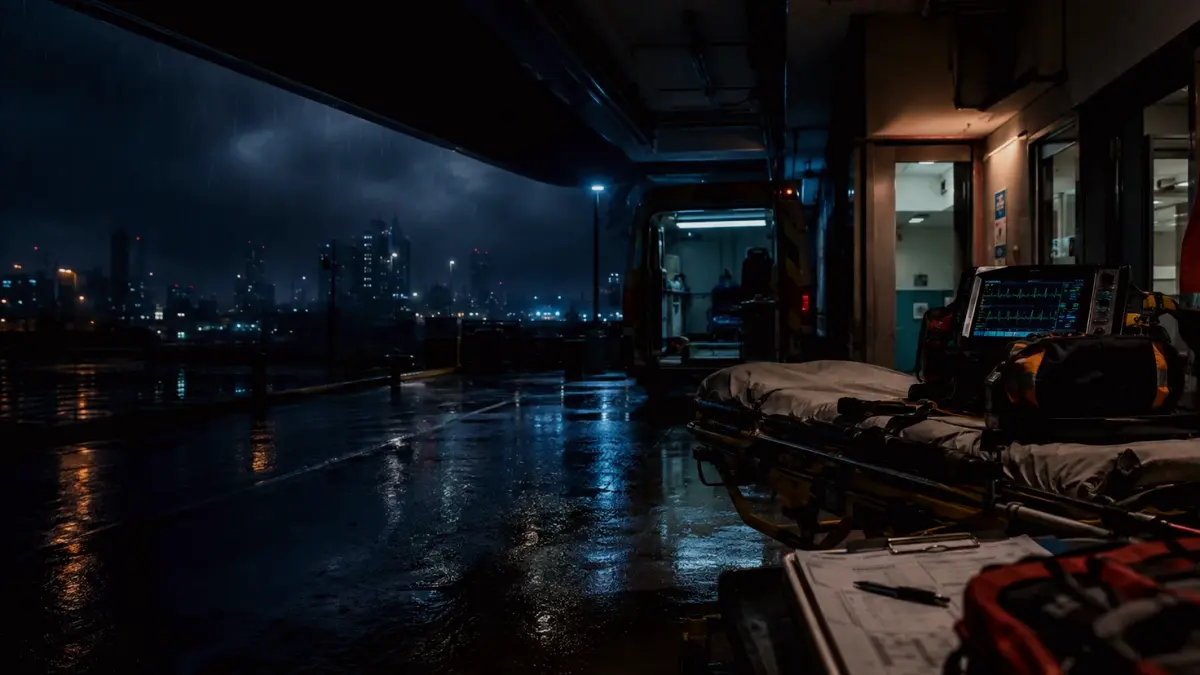
Field medic is a broad label for medical support roles in operational settings, and responsibilities vary by organisation and competence. The British Army Combat Medical Technician provides one documented UK example. Its published role shows how duties, preparation, medical guidance and the setting in which the work is performed can be described for a particular organisation.
The British Army lists battlefield first aid, medical support on operations, help with medical evacuation, medical training and health education among Combat Medical Technician responsibilities. These duties span immediate aid, continuing operational support, assistance with evacuation, training and health education within the same documented Army role.
Where the role is carried out and prepared
British Army Combat Medical Technicians work under doctors’ guidance in medical centres or at front-line bases. The guidance is part of the documented role in both named settings. Medical centres and front-line bases show that the same Army occupation can contribute in different operational locations while remaining under that medical guidance.
Their preparation includes formal healthcare-support training and clinical placements. That preparation belongs to the technician’s route into the role. It is distinct from medical training and health education listed among the role’s responsibilities: one develops the technician’s own healthcare-support competence, while the other identifies work that the role may include.
Humane care and medical priority
In armed conflict, international humanitarian law requires humane care for wounded and sick people without adverse distinction. Medical reasons determine priority. Humane care and the basis for priority are related but separate requirements: the first governs the treatment owed to wounded and sick people, and the second governs how medical need orders attention.
The role description and the legal rule therefore answer different practical questions. The Army profile identifies what this Combat Medical Technician may be responsible for, where the work may occur and how the technician is prepared and guided. When care for wounded and sick people must be prioritised in armed conflict, medical reasons provide the basis for that decision.