Quick answer
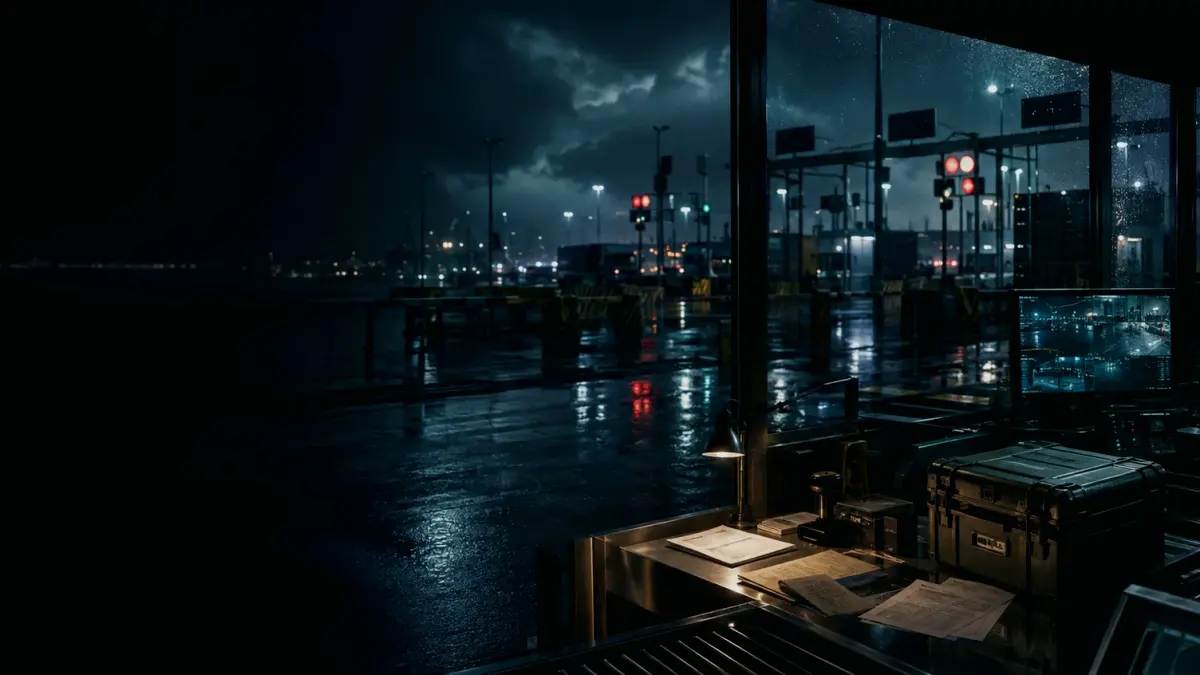
Customs inspection at a port is the systematic examination of cargo, containers, and vessels by customs officers to verify that goods comply with national and international trade laws, to collect duties and taxes, and to prevent the entry of prohibited items. It involves checking documentation, inspecting physical goods, and, when necessary, conducting detailed searches.
Why Customs Inspection Matters
Ports are the arteries of global trade; every day, thousands of containers cross borders, carrying everything from consumer electronics to pharmaceuticals. Customs inspection is the first line of defence against smuggling, fraud, and the illegal movement of harmful substances. It also ensures that revenue is collected fairly and that trade agreements are upheld. For governments, effective inspections protect national security, public health and the integrity of the economy.
How Customs Inspection Works in Practice
When a vessel arrives, customs officers receive the ship’s manifest and any relevant shipping documents. They then perform a series of checks:
- Document verification – confirming that bills of lading, certificates of origin and other paperwork match the cargo on board.
- Physical inspection – opening containers or sampling goods to verify their contents and condition.
- Risk assessment – using statistical models and intelligence feeds to decide which cargoes warrant deeper scrutiny.
- Compliance checks – ensuring that goods meet safety, environmental and licensing requirements.
If discrepancies arise, customs may detain cargo, impose fines, or refer the matter to other authorities. The process is governed by national customs legislation and international conventions such as the World Customs Organization’s SAFE Programme.
Customs Inspection in the Public Eye
Customs inspections are often visible in the media when a high‑profile shipment is seized or when a port is highlighted for its efficiency. Port authorities publish annual reports that detail inspection volumes, duty revenue and compliance rates. Trade associations use these statistics to benchmark performance and to lobby for regulatory changes. In the public domain, the focus is on transparency, efficiency and the protection of legitimate trade.
Connection to The Collision of Tides
For readers of The Collision of Tides, customs inspection represents the intersection of ordinary commerce and covert intrigue. The series’ themes of secrecy, pressure and moral cost are mirrored in the tension that arises when a routine inspection uncovers something that could destabilise political alliances or expose hidden agendas. The very act of inspecting a vessel can become a catalyst for espionage, diplomatic friction or a race against time to prevent a catastrophe.
Stakes, Tension and Story Implications
When a customs inspection reveals an illicit item—be it contraband, a weapon, or a politically sensitive document—the consequences ripple across multiple layers:
- Legal repercussions for the shipping company and its owners.
- Diplomatic fallout if the cargo originates from a rival nation.
- Security threats if the seized goods are linked to extremist groups.
- Personal risk for officers who may become targets of retaliation.
These stakes create a high‑pressure environment where every decision can alter the balance of power, echoing the series’ exploration of how small actions can trigger monumental shifts.
Common Misconceptions
- Customs inspection is only about collecting duties – it also safeguards against smuggling and illegal trade.
- All cargo is inspected – in practice, inspections are risk‑based, focusing on high‑value or suspicious shipments.
- Customs officers act alone – they often collaborate with maritime security, health authorities and intelligence agencies.
- Inspection delays are inevitable – modern technology and streamlined procedures can reduce wait times significantly.
FAQ
What documents are required for a customs inspection?
Typical documents include the bill of lading, commercial invoice, packing list, certificate of origin, and any licences or permits relevant to the goods. The exact requirements vary by country and the nature of the cargo.
How long does a customs inspection usually take?
Inspection duration depends on the cargo’s complexity and the risk assessment. Routine checks may take a few minutes, while detailed examinations of high‑risk containers can extend to several hours.
Can customs officers search a container without a warrant?
Customs officers have statutory powers to inspect containers when they have reasonable grounds to suspect non‑compliance. In many jurisdictions, a warrant is not required for routine inspections, but more intrusive searches may need additional legal authorisation.
What happens if a shipment is found to be non‑compliant?
Non‑compliance can lead to fines, seizure of goods, or legal action against the consignor. The specific outcome depends on the severity of the breach and the applicable regulations.
How does customs inspection relate to maritime security?
Customs inspection is a key component of maritime security, helping to detect and deter illicit activities such as smuggling, trafficking and the movement of harmful substances. It often works in tandem with port security measures and intelligence sharing.