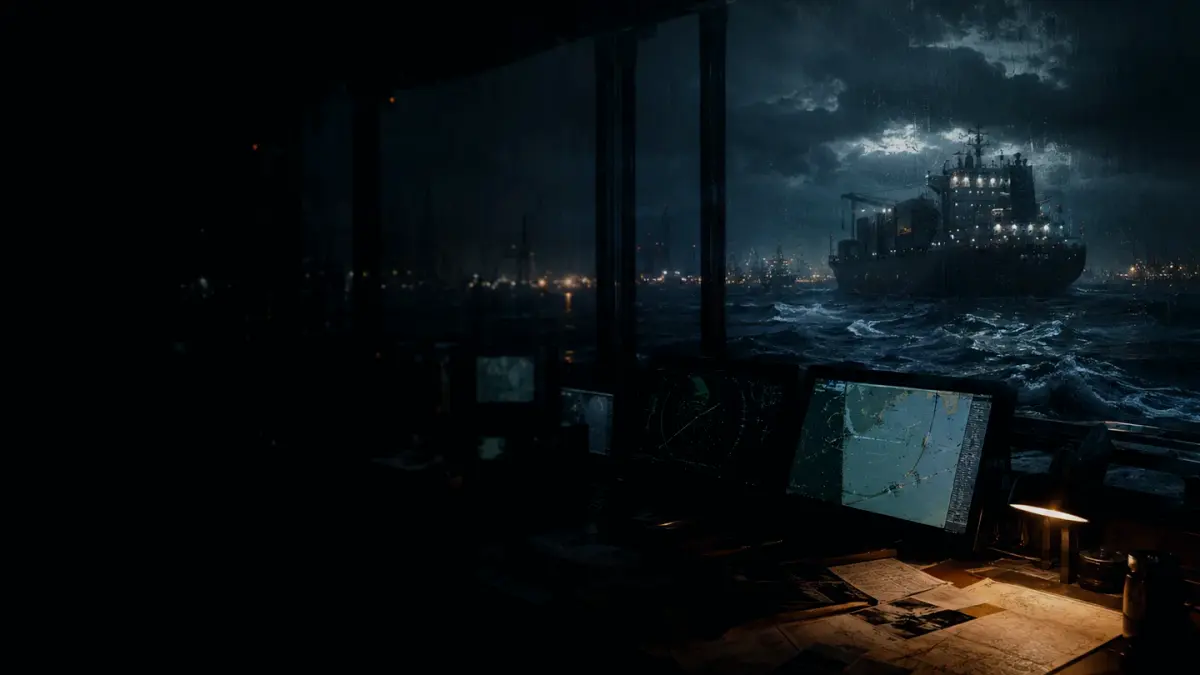
What Is Port Movement Control?
Port Movement Control (PMC) is the coordinated system that governs the arrival, berthing, manoeuvring and departure of vessels within a port’s operational area. It is the invisible hand that keeps ships on a safe, efficient path, preventing collisions, reducing congestion and ensuring that cargo flows smoothly through the complex web of berths, channels and support services.
Why Port Movement Control Matters
In the world of maritime logistics, a single misstep can cascade into costly delays, environmental damage or, in extreme cases, loss of life. PMC provides the framework for:
- Safe navigation in confined waters.
- Optimised berth allocation to maximise throughput.
- Coordinated emergency response when incidents occur.
- Compliance with national and international maritime regulations.
For governments and shipping companies, effective PMC translates into economic resilience and reputational integrity. For the public, it safeguards coastal communities from the hazards of uncontrolled maritime traffic.
Public Contexts of Port Movement Control
While the inner workings of PMC are often technical, several observable aspects appear in everyday life:
- Traffic Light Systems – Many ports use coloured lights to signal vessels when to proceed, hold or reverse, much like road traffic signals.
- Berth Allocation Notices – Shipping companies receive electronic or paper notices indicating which berth a vessel will occupy and the expected arrival time.
- Port Authority Websites – Live updates on vessel movements, berth status and channel restrictions are published for stakeholders and the public.
- Emergency Drills – Ports conduct regular drills that involve coordinated responses to simulated incidents, demonstrating the practical application of PMC protocols.
These elements illustrate how PMC is not confined to the control room; it permeates the visible rhythm of port operations.
How Port Movement Control Connects to The Collision of Tides
In a thriller that weaves maritime safety, covert communication and political intrigue, the mechanics of PMC become a backdrop for tension and secrecy. The very systems that keep ships from colliding can also be exploited to conceal illicit movements, mask the arrival of a covert vessel, or create a smokescreen for an intelligence operation. For readers of The Collision of Tides, the theme of PMC highlights the fragile balance between order and chaos, and the moral cost of manipulating that balance for political ends.
Stakes, Tension and Story Implications
When PMC fails or is deliberately subverted, the consequences can be dramatic:
- Accidents – A misdirected tug or a delayed berth can lead to collisions, environmental spills or loss of life.
- Political Fallout – A high‑profile incident may trigger investigations, diplomatic protests or sanctions.
- Information Leaks – Sensitive data about vessel movements can be intercepted, compromising covert missions.
- Economic Impact – Delays ripple through supply chains, affecting industries and consumers alike.
These stakes provide fertile ground for narrative conflict: a shadowy intelligence unit must navigate the labyrinth of PMC to smuggle a critical asset, while a whistleblower exposes a cover‑up that threatens national security.
Common Misconceptions About Port Movement Control
- “PMC is just a set of rules.” – While regulations form the backbone, PMC relies heavily on real‑time communication, technology and human judgement.
- “All ports use the same system.” – Each port tailors its PMC to local geography, traffic volume and operational priorities.
- “PMC is only about safety.” – Efficiency, environmental protection and regulatory compliance are equally integral.
- “Vessels can navigate on their own.” – Even the most advanced ships depend on port‑side guidance to manoeuvre safely in congested waters.
FAQ
What are the main components of a port movement control system?
A typical PMC system comprises a traffic management centre, electronic communication links, visual signalling (lights, flags), berth allocation software, and emergency response protocols. These elements work together to coordinate vessel movements from arrival to departure.
How does port movement control interact with maritime safety regulations?
PMC aligns with national and international safety guidelines, such as those issued by the International Maritime Organization (IMO). It ensures that vessels comply with collision avoidance rules, environmental protection standards and port‑specific operational procedures.
Can port movement control be overridden during emergencies?
Yes. In the event of a collision, fire, or other critical incident, the traffic management centre can suspend normal PMC procedures to prioritise emergency response, reroute vessels, and coordinate rescue operations.
What technology is commonly used to support port movement control?
Modern PMC relies on a mix of radar, Automatic Identification System (AIS) data, satellite imagery, and dedicated communication networks. These tools provide situational awareness and enable real‑time decision making.
How does port movement control affect shipping schedules?
Efficient PMC reduces berth waiting times, minimises fuel consumption during manoeuvres, and improves overall throughput. Accurate berth allocation and traffic coordination help shipping lines maintain tight schedules and reduce operational costs.