Quick Answer
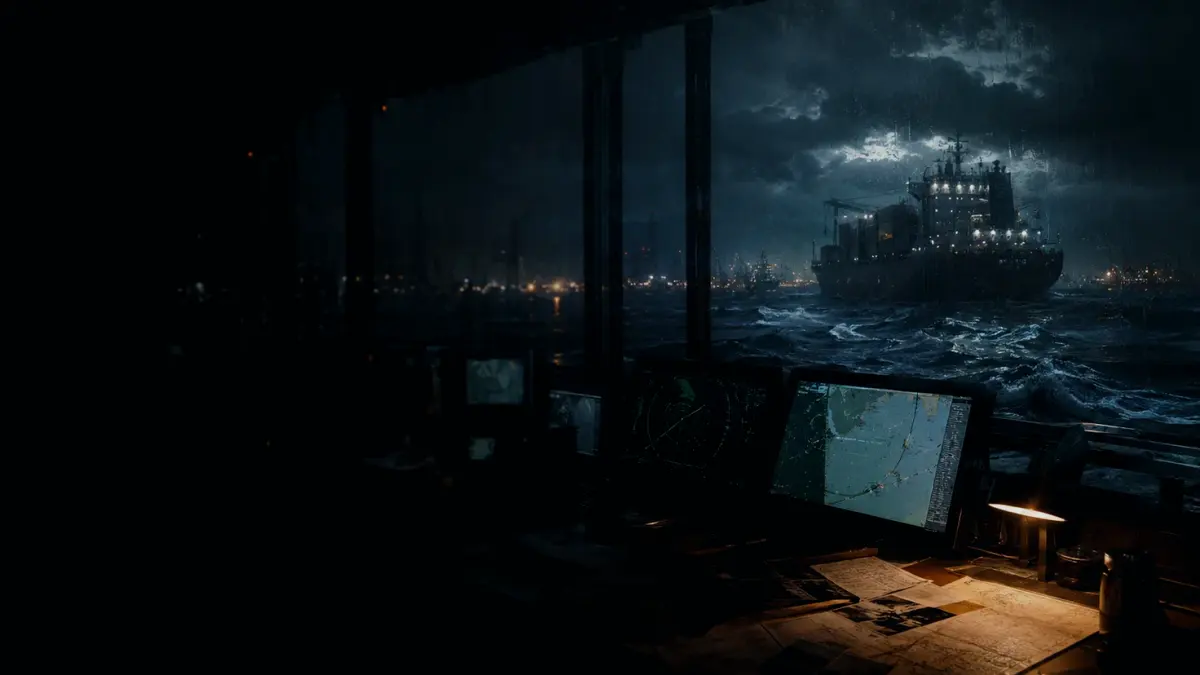
An oil tanker is a specialised bulk carrier designed to transport crude oil, refined petroleum products or other liquid cargoes in large volumes. These vessels are built with reinforced hulls, extensive ballast systems and a series of interconnected tanks that keep the cargo separate and safe during long voyages across oceans.
Why the Topic Matters
Oil tankers are the arteries of the global energy supply chain. Their movements influence commodity prices, national security, and environmental policy. In the world of espionage and political intrigue, the control, protection or disruption of these vessels can become a flashpoint for state‑level conflict, corporate espionage and covert operations. Understanding what an oil tanker is, how it operates and why it is a high‑value target provides the backdrop for many of the tension‑driven scenarios found in contemporary thriller narratives.
Public Contexts Where Oil Tankers Appear
- Port Operations – At busy terminals, tankers are berthed alongside cargo ships, cranes and tugboats. Their arrival and departure are recorded by port authorities and monitored by maritime traffic services.
- Regulatory Oversight – International maritime conventions, such as the International Maritime Organization’s (IMO) regulations on oil pollution, set safety and environmental standards that every tanker must meet.
- Media Coverage – Incidents such as spills, collisions or piracy attacks are reported by news outlets, often sparking public debate about maritime safety and energy policy.
- Academic and Industry Studies – Shipping analysts and maritime engineers publish reports on tanker design, fuel efficiency and route optimisation, informing both commercial strategy and policy discussions.
Connection to The Collision of Tides
For readers of The Collision of Tides, the oil tanker is more than a vessel; it is a symbol of the hidden currents that shape international affairs. The series explores how the movement of such ships can be manipulated, monitored or sabotaged by actors operating in the shadows. The tension between the need for energy security and the risks of maritime transport mirrors the moral dilemmas faced by those who must decide whether to expose or conceal information that could alter the balance of power.
Stakes, Tension and Story Implications
When a tanker becomes the focus of a covert operation, several high‑stakes elements converge:
- Economic Impact – A single stranded or damaged tanker can trigger price spikes, supply shortages and ripple effects across global markets.
- Environmental Consequences – Oil spills threaten marine ecosystems, coastal communities and national reputations.
- Political Leverage – Control over a tanker’s route or cargo can be used as a bargaining chip in diplomatic negotiations or as a tool of coercion.
- Human Cost – Crew safety, emergency response and the welfare of nearby populations become critical when incidents occur.
These stakes create a fertile ground for suspense: a clandestine intelligence unit may need to intercept a tanker’s voyage plan, a corporate spy might seek to acquire confidential loading schedules, or a rogue faction could attempt to hijack a vessel to destabilise a region. Each scenario raises questions about loyalty, secrecy and the price of power.
Common Misconceptions and Reader Questions
Many people assume that all large ships are oil tankers, or that tankers are simply “big ships that carry oil.” In reality, the design, operational protocols and regulatory environment of a tanker are distinct from other bulk carriers. Another frequent misconception is that tankers are immune to piracy or sabotage because of their size; however, history shows that even the largest vessels can be targeted when strategic value is high.
FAQ
What distinguishes an oil tanker from other cargo ships?
Oil tankers are built with multiple, segregated tanks that allow them to carry different types of liquid cargoes safely. They also feature specialised pumping systems, ballast arrangements and safety equipment tailored to the handling of hydrocarbons.
How are oil tankers monitored while at sea?
Vessels transmit position and voyage data through the Automatic Identification System (AIS), which is publicly accessible. In addition, maritime traffic services and port authorities use radar and satellite imagery to track movements, especially in high‑risk areas.
Why are oil tankers considered high‑risk targets?
Because they carry valuable cargo, they are attractive to pirates, smuggling networks and state actors seeking to influence energy markets or exert political pressure. Their size and the environmental impact of a spill also make them high‑profile targets for sabotage.
What safety measures are in place to protect tanker crews?
International regulations mandate rigorous training, emergency drills, life‑saving appliances and robust hull construction. Additionally, many tankers operate under the auspices of maritime security organisations that provide guidance on threat assessment and response.
How does the oil tanker industry influence global politics?
Oil supply routes are often aligned with geopolitical interests. Control over shipping lanes, access to ports and the ability to impose or lift sanctions can shift the balance of power, making tanker traffic a key element in diplomatic negotiations and strategic planning.